Sponsored by





Every region grows a distinct cup. This puts it into words.
For decades, a great cup from Kenya has depended on one thing buyers can't see: whether the story behind it is true. The Kenya Coffee Flavor Map changes that. Every profile is cupped, and documented, turning a producer's claim about their coffee into evidence a buyer can act on.
A documented flavor profile is a stronger opening than a sample bag and a sales pitch. When you can point to verified cupping data, you're not negotiating on trust, you're negotiating on record.
Distinct, well-documented character is worth more than an anonymous lot number. The map gives you a way to show, not just tell, what makes your coffee different, backed by the same cupping standards used across specialty coffee globally.
Every mapped farm adds to a shared body of evidence: that Kenyan coffee's reputation for quality isn't a slogan. It's measurable, and it's growing.


Coffee samples
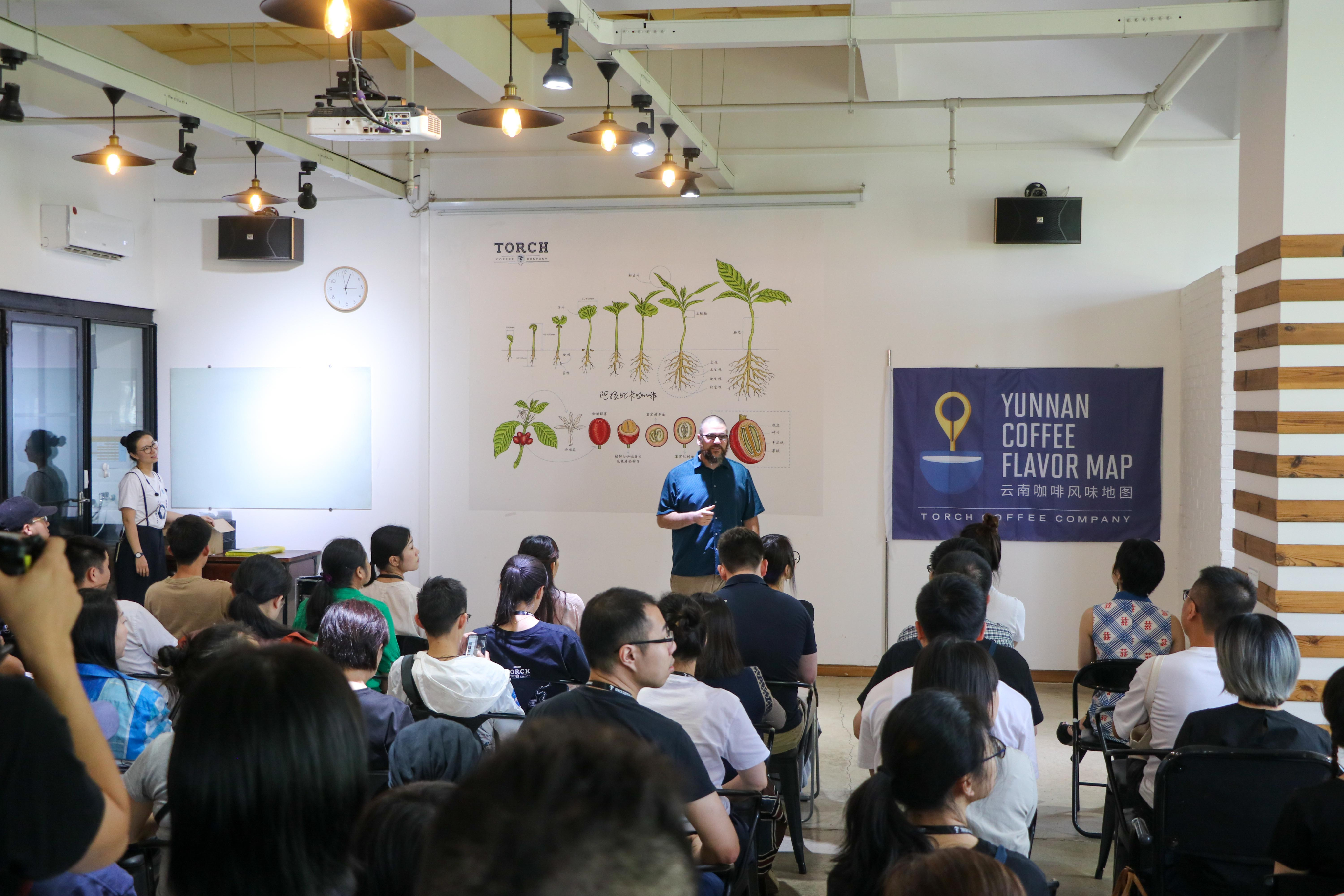
With the support of the Coffee Board of Kenya and partners across every producing region, we have secured 500 coffee samples for evaluation. Each sample is documented at source and coded before it reaches the cupping table, so no evaluator knows where a coffee comes from. Together, these 500 coffees form the raw material of the map, a true cross-section of what Kenya grows.
Sensory evaluation
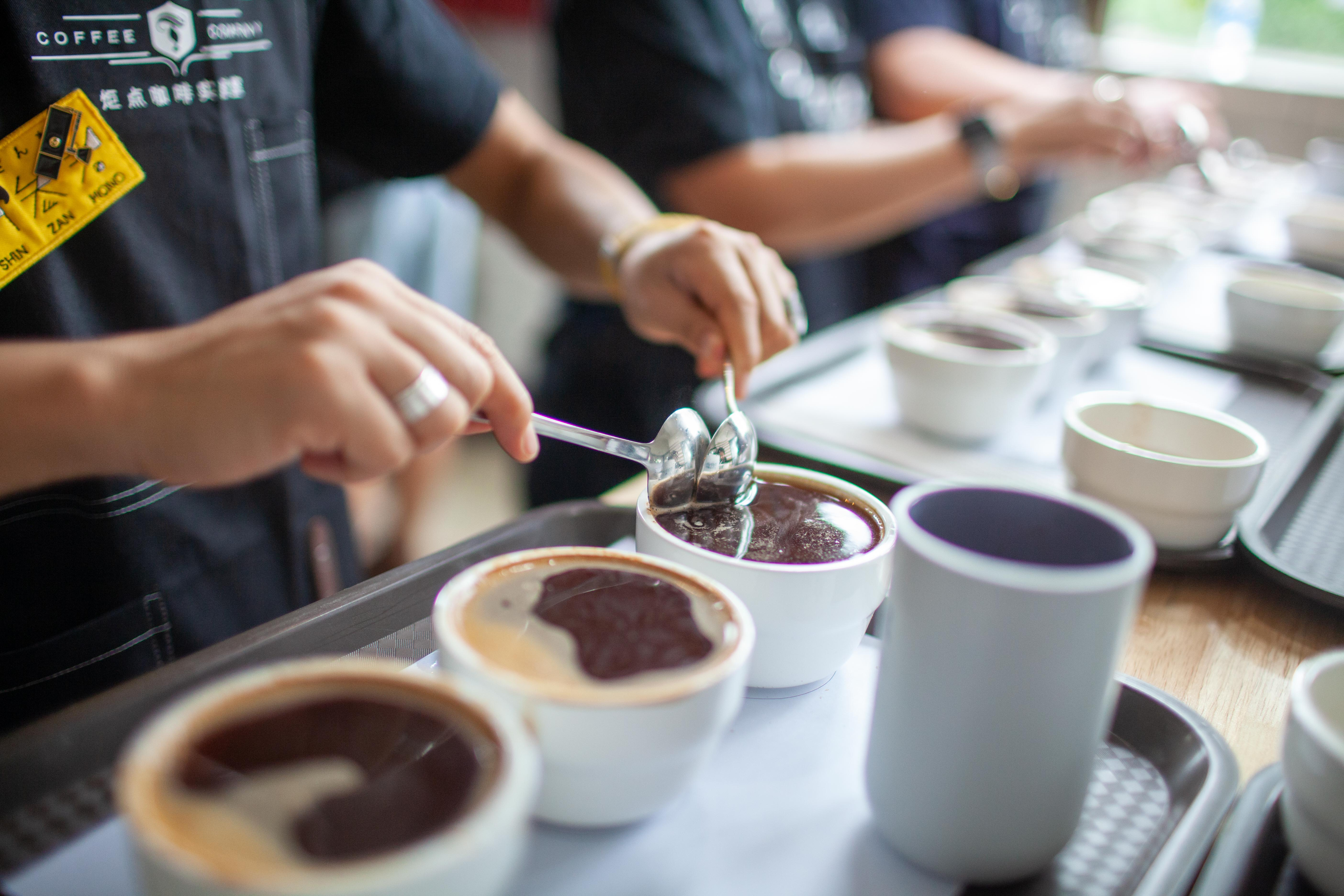
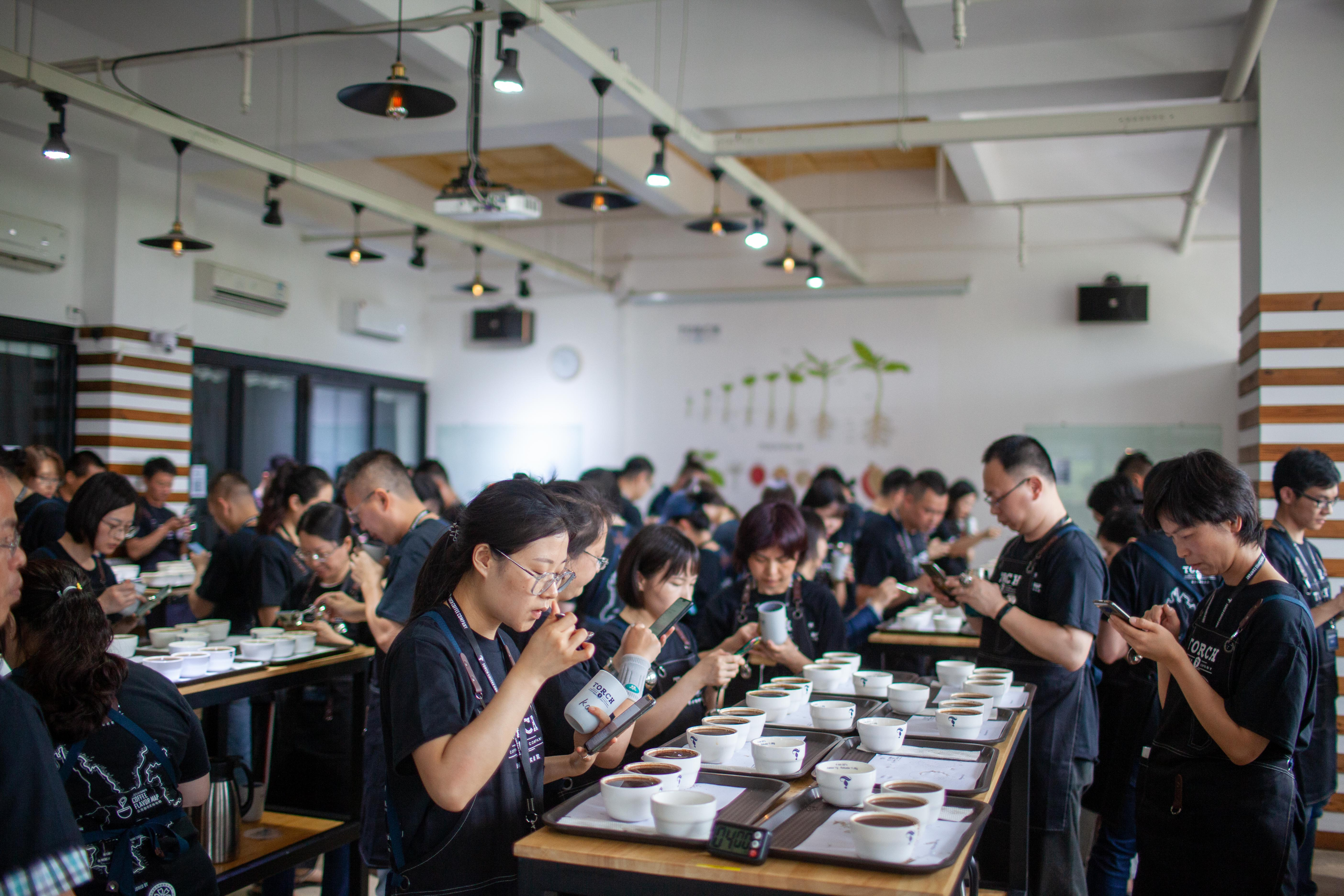
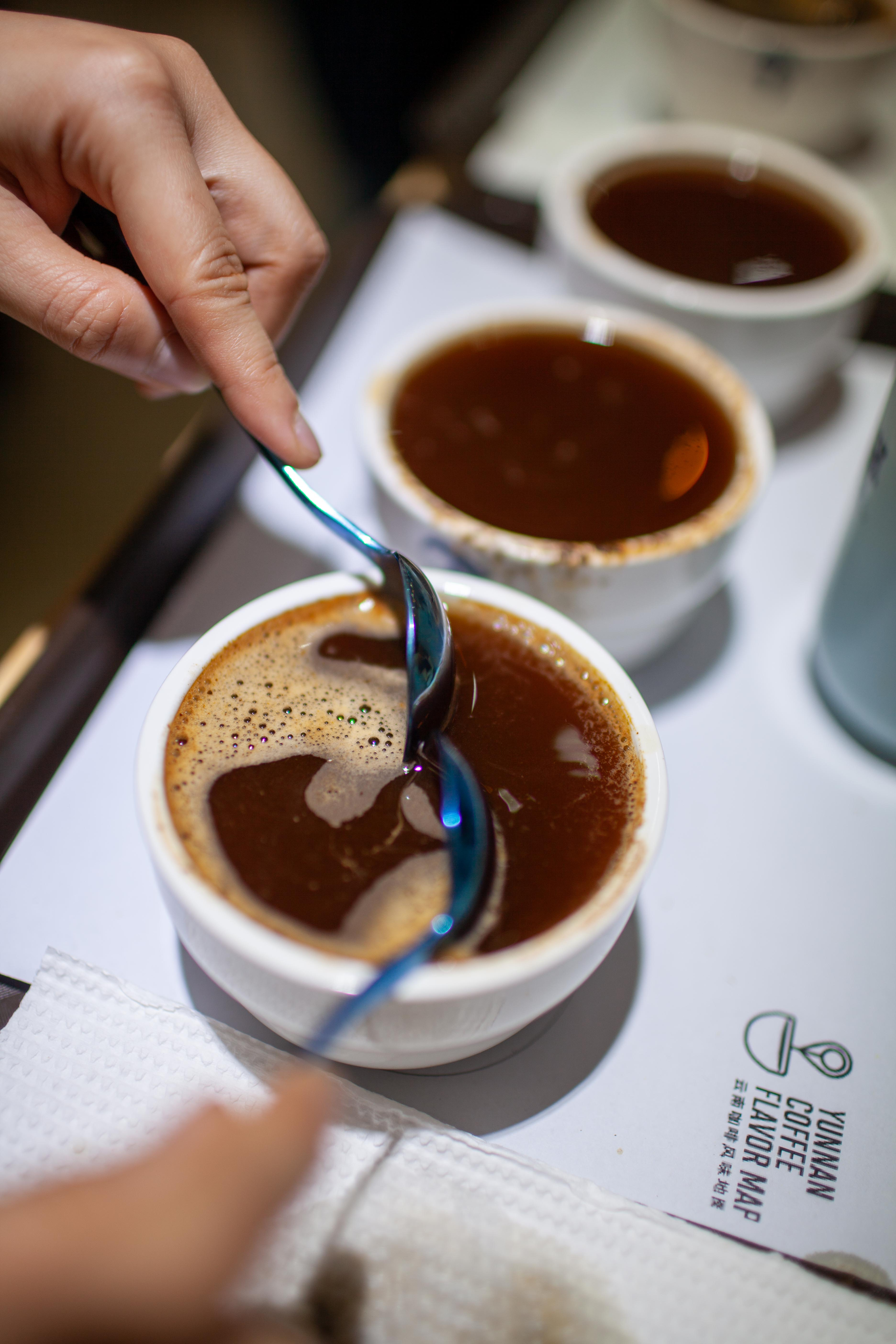
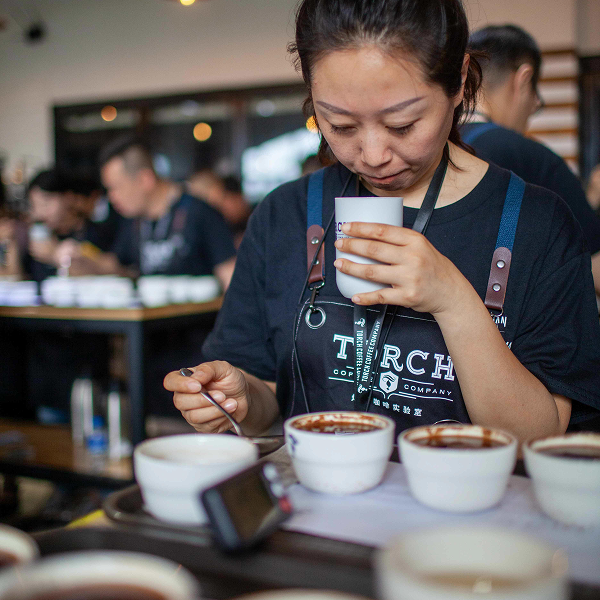
Every sample is cupped blind by certified cuppers from Kenya and around the world. Fragrance, aroma, flavor, acidity, body, aftertaste, cup after cup, session after session. This translates into something no single palate could produce: a reliable sensory record of every region.
Origin data
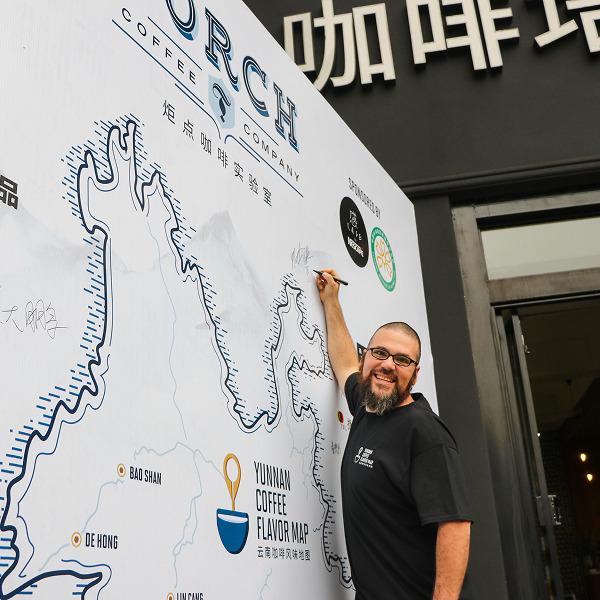
Flavor doesn't happen by accident. Alongside every cupping, we record the conditions that shaped the coffee — rainfall, altitude, soil, variety, and processing method. By connecting sensory results to this agro-ecological data, the map explains not just what each region tastes like, but why — the deep story behind every region's unique cup.
Industry participation
The Flavor Map is built in the open, by the industry it serves. Cuppers are traveling from around the world to join the panels, and producers, roasters, buyers and researchers each play a part in bringing the map to life. No single institution could produce this record alone — it's a collaborative effort across the entire coffee value chain.